



2024
The Robots Are Coming
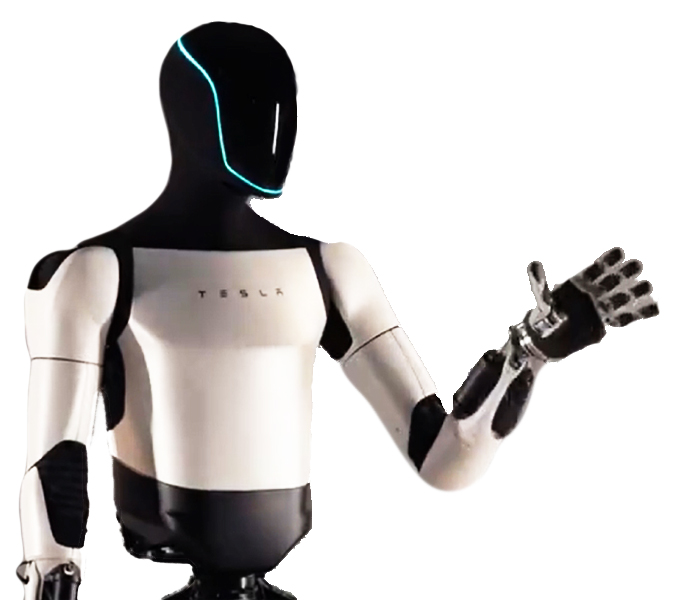
As artificial intelligence becomes more useful every day, the Tesla Optimus robot has been developing at a rapid pace. In less than two years, Tesla engineers have already created three full prototypes. The latest versions use 100% Tesla-designed electric actuators and have demonstrated walking, impressive dexterity, and surprisingly fluid movements.
Why Are Bipedal Humanoid Robots Getting So Much Attention?
For thousands of years, humans have designed the world around our bodies — stairs, countertops, doors, tools, and workspaces. While wheeled robots are useful, four-legged robots like SPOT are already very capable in industrial environments. However, humanoid robots like Optimus are built to work efficiently in our existing human-designed world.
Will Robots Take Your Job?
Maybe. But history offers a hopeful perspective. The first industrial robot, Unimate, took over dangerous and repetitive factory tasks. Those jobs were often dirty, dangerous, or dull — known as the “Three Ds“.
Optimus and future humanoid robots are being developed to handle exactly these kinds of tasks.
What Should We Do?
Humanoid robots like Optimus are coming faster than most people expected. Instead of fear, the focus should be on adaptation, new opportunities, and how humans and robots can work together.
The human spirit of creativity and problem-solving will remain our greatest strength.
Ready to start your next project? Feel free to contact us directly.
FAQ
What is Tesla Optimus?
Optimus is Tesla’s humanoid robot designed to perform useful tasks in human environments using advanced AI and custom electric actuators.
Why focus on bipedal humanoid robots?
Because most of our buildings, tools, and infrastructure are designed for the human form (two legs and two arms).
Will Optimus replace human jobs?
It may replace dangerous, dirty, or dull tasks, similar to how previous automation shifted workers into safer and more skilled roles.
Very interested in robotic help for elderly in a few years. What are the possibilities and financiall problems. Will Medicare be involved ? Will part time help be possible ?