



Elektro the Westinghouse Robot: The Dawn of Animatronics and Humanoid Robotics
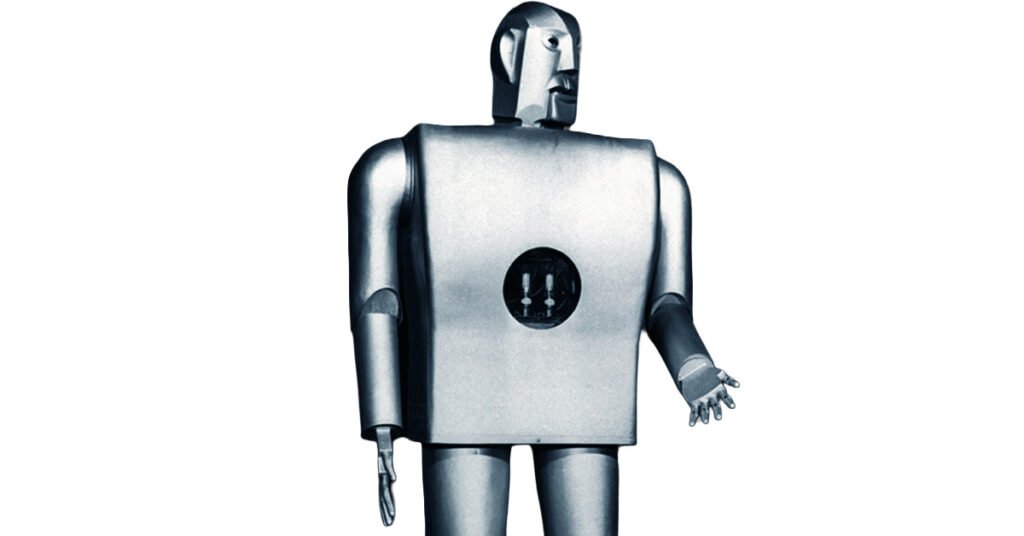
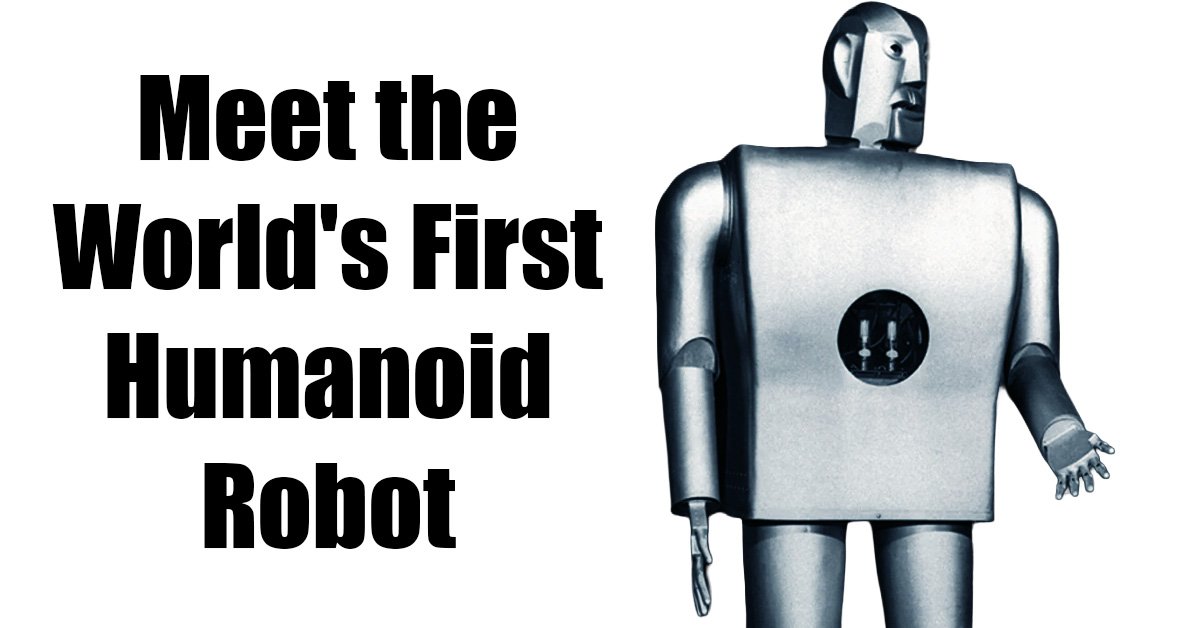
Elektro the first animatronic robot, often referred to as “The Moto-Man,” is one of history’s most significant milestones in humanoid robotics. Developed by the Westinghouse Electric Corporation at their Mansfield, Ohio, facility between 1937 and 1938, Elektro was the brainchild of lead engineer Joseph Barnett. This towering humanoid robot stood 7 feet tall, weighed 265 pounds, and was encased in a gleaming gold-painted aluminum skin. Making his iconic debut at the 1939 New York World’s Fair, Elektro became an instant sensation in the “World of Tomorrow” exhibit, embodying the mid-century fascination with how automation and electricity would soon revolutionize domestic life.
The Engineering Behind the World’s First Humanoid Robot
The “brain” of this mechanical marvel was a feat of pre-transistor engineering, consisting of a complex bank of 48 electrical relays that functioned similarly to a telephone switchboard. While modern AI relies on machine learning, Elektro functioned as a voice-activated humanoid robot that responded to light impulses sent to his photoelectric “eyes.” An operator would speak into a microphone, and the vibrations were converted into light flashes. One word might prep a movement, while two would start it, allowing him to perform a repertoire of 26 different routines, including walking, bowing, and even counting on his fingers.
Revolutionary Animatronics and Audio Technology
Inside his hollow aluminum torso, Elektro housed eleven separate motors that powered the sophisticated animatronics responsible for his lifelike gestures. One motor drove four rubber rollers under each foot to allow him to “walk,” while others controlled his head, arms, and mouth. His voice was provided by eight 78-rpm record players hidden in a separate control unit, delivering a vocabulary of approximately 700 words. To enhance the performance, a solenoid moved his aluminum lips in rhythm with the audio—a technique that remains a fundamental principle in modern animatronic design and theme park attractions today.
Legacy of the Westinghouse Moto-Man
Beyond basic movement, Elektro was designed with quirky “human” features to showcase the versatility of Westinghouse sensors. He possessed photoelectric cells that could distinguish between red and green light and famously “smoked” cigarettes using an internal bellows system. After the 1939 fair, he was joined by a robotic dog named Sparko, who could bark and beg. Though this early humanoid robot eventually faded into obscurity, he was later rediscovered and meticulously restored. Today, he resides at the Mansfield Memorial Museum as the oldest surviving example of an American humanoid robot, serving as a direct ancestor to modern robotics.
FAQ
Elektro was a premier humanoid robot built by the Westinghouse Electric Corporation between 1937 and 1938. Standing 7 feet tall, he was a centerpiece of the 1939 New York World’s Fair, designed to demonstrate the potential of electrical automation and early animatronics.
Elektro operated using a system of 48 electrical relays and photoelectric sensors. He was voice-activated, but he did not “hear” words; instead, he responded to the number of light impulses generated by the vibrations of an operator’s voice. This allowed him to perform 26 scripted movements, including walking and talking.
Yes, Elektro was famous for his ability to “smoke” cigarettes. This was achieved through an internal bellows system that allowed him to inhale and exhale smoke, a quirky feature designed to showcase the precision of his mechanical lungs and animatronic lip synchronization.
The primary engineer and mastermind behind Elektro was Joseph Barnett, who worked at the Westinghouse facility in Mansfield, Ohio. Barnett’s work on Elektro laid the early groundwork for modern humanoid robotics and interactive machinery.
After being lost and rediscovered several decades ago, Elektro was restored and is now on permanent display at the Mansfield Memorial Museum in Ohio. He remains the oldest surviving American-made humanoid robot.
To explore some custom animatronic robotic possibilities contact us, we are happy to chat!
2026