


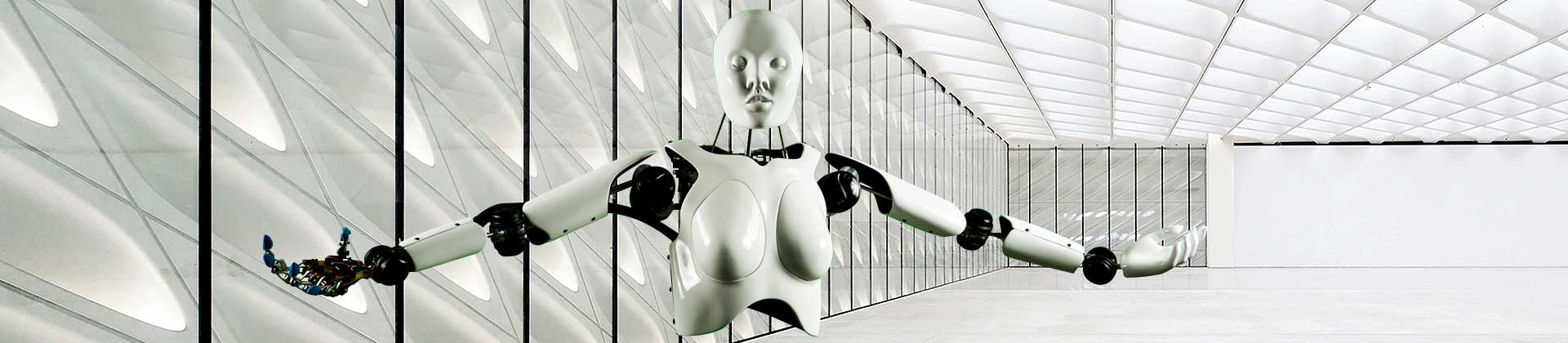
Autonomous robots are transforming space exploration, from assisting astronauts on the International Space Station to preparing the way for human settlement on Mars. These intelligent machines are becoming essential partners in humanity’s push beyond Earth.
A Brief History of Autonomous Robots in Space
The journey toward truly autonomous space robots began decades ago with robotic probes and rovers. However, the real breakthrough in close-proximity autonomous assistance started inside the International Space Station, where robots now work alongside astronauts on a daily basis.
Astrobee: The Cube-Shaped Helpers on the ISS
One of the most successful autonomous systems currently operating in space is NASA’s Astrobee. These cube-shaped, free-flying robots use electric fans for propulsion and were launched to the ISS between 2018 and 2019.
The three Astrobee robots — named Honey, Bumble, and Queen — perform routine tasks such as inventory management, environmental monitoring, and cargo movement. They navigate using advanced vision systems and have successfully proven that small autonomous robots can safely work alongside humans in space.
CIMON: The World’s First AI-Powered Robotic Assistant
In 2018, the European Space Agency sent CIMON (Crew Interactive Mobile Companion) to the ISS. This spherical, voice-controlled AI assistant was developed in partnership with Airbus and IBM.
Powered by IBM Watson, CIMON could recognize faces, understand natural language, and display information. An upgraded version, CIMON-2, arrived in 2019 with improved AI capabilities and stability.
Robonaut 2: NASA’s Humanoid Robot in Space
Launched in 2011 aboard Space Shuttle Discovery, Robonaut 2 (R2) became the first humanoid robot in space. Initially deployed as a torso with highly dexterous arms, it was designed to perform repetitive or dangerous tasks for astronauts.
Later upgrades added a lower body for mobility. While it faced technical challenges and was eventually returned to Earth, Robonaut 2 provided crucial data about operating humanoid robots in microgravity.
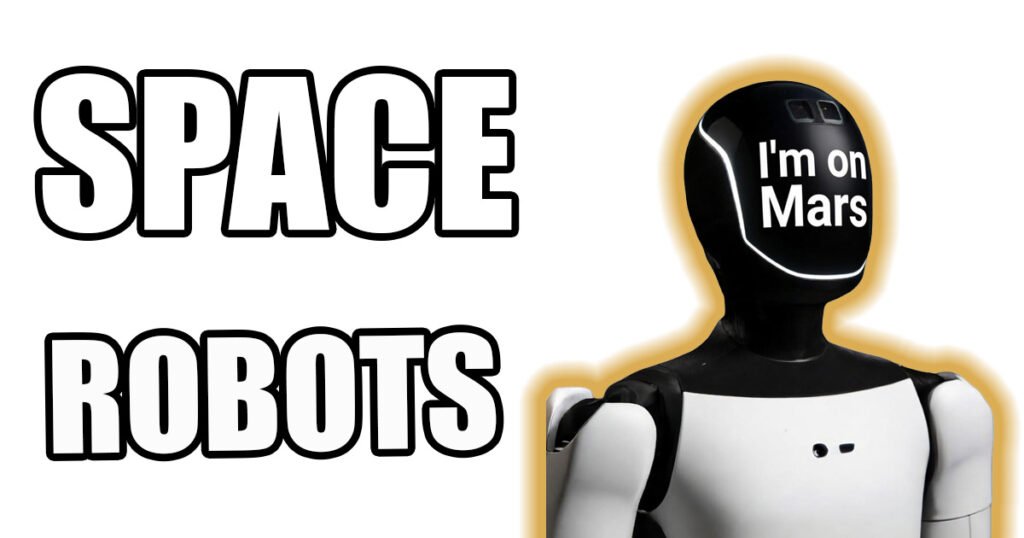
The Future: Will Tesla Optimus Be the First Robot on Mars?
Elon Musk has stated that Tesla’s Optimus humanoid robots could be among the very first payloads sent to Mars aboard Starship. These advanced robots are expected to arrive before humans to perform critical groundwork — constructing habitats, maintaining equipment, and preparing infrastructure for future crewed missions.
FAQ
What is the most important advancement in space robotics right now?
The biggest leap is the development of truly autonomous systems that can make decisions and operate safely without constant human input.
How do autonomous robots benefit astronauts on the ISS?
They take over routine and repetitive tasks, allowing astronauts to focus on more complex scientific research and reducing their overall workload.
Will humanoid robots like Optimus replace humans on Mars?
No. Instead, they are expected to prepare the way for humans by performing the dangerous initial setup work on the Martian surface. Tesla’s and Elon Musk‘s robot baby, Optimus, will be key to helping humans colonize Mars and beyond.
Are autonomous robots safe to operate near astronauts?
Yes. Systems like Astrobee and CIMON are specifically engineered with multiple safety features to safely share space with human crews.
The Same Technology Powers Amazing Animatronics
The advanced robotics, AI, and engineering principles used in space robots are the same technologies that power high-end animatronics here on Earth. From precise motion control to reliable autonomous behavior, these innovations are transforming the world of entertainment, theme parks, museums, and custom animatronic characters.
Ready to bring that same level of engineering excellence to your next project?
Contact us today to discuss your custom animatronic needs — whether it’s for film, theme parks, live events, or a one-of-a-kind creation.
2026