


Understanding Different Types of Animatronic
Animatronics come in many forms, each designed for specific needs. The three main types you’ll encounter are animatronic puppets, robotic figures, and full-scale animatronic characters.
Animatronic puppets are typically smaller, cable or rod-controlled creations often used in film, television, and stage productions. They offer incredible detail and expressive movement, but usually require puppeteers to operate them in real time.
Robotic figures are more autonomous, powered by motors, servos, and programmed sequences. These are perfect for theme parks, museums, and attractions where you need consistent, repeatable performances without a full crew.
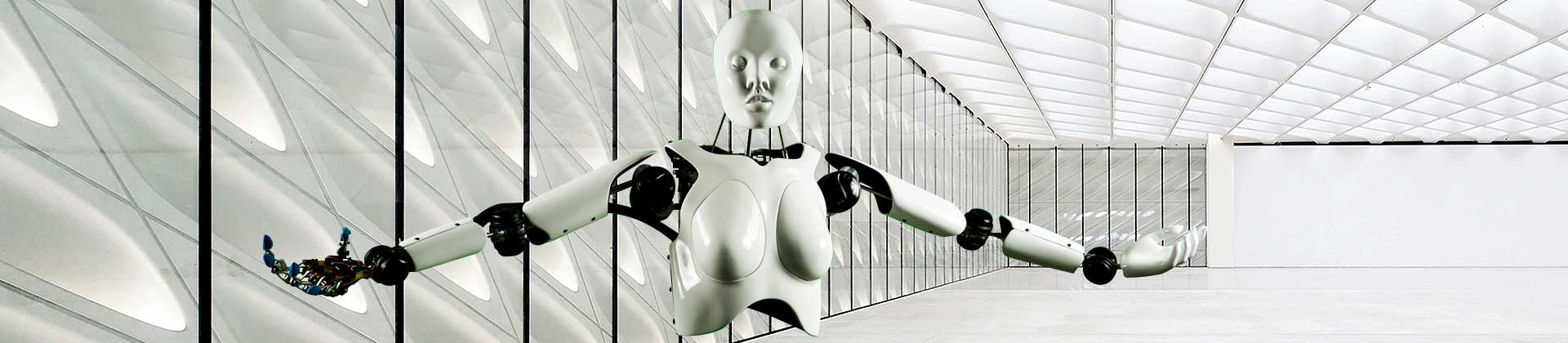
Full-scale animatronic figures are the showstoppers — life-sized or larger characters built for high-impact environments like theme parks, haunted houses, or large exhibitions. They combine complex mechanics with detailed sculpting to create truly immersive experiences.
Key Factors to Consider When Choosing an Animatronic
Choosing the right animatronic starts with understanding your specific project needs. Four key factors should guide your decision: budget, purpose, size, and complexity.
Your budget will often determine the level of quality and movement you can achieve. While it’s tempting to go with the cheapest option, investing in a well-built animatronic saves money in the long run through reliability and lower maintenance costs.
Clearly define the purpose of your animatronic upfront. Is it for a permanent theme park installation, a short-term trade show, a movie production, or a museum exhibit? Each environment demands different durability, weather resistance, and level of detail.
Size and complexity go hand in hand. Larger figures require stronger structural support and more powerful motors, which increases both cost and maintenance requirements. More complex movements also mean more points of potential failure, so balance wow-factor with practicality.
When assessing quality and reliability, look at the manufacturer’s track record. Pay attention to the materials used, the quality of motors and electronics, and whether they offer good warranties and support.
Applications of Animatronics in Different Settings
Animatronics have become essential tools across multiple industries, each demanding different performance characteristics.
In theater productions, animatronics deliver dramatic, expressive movements that bring characters to life on stage. From subtle facial expressions to dramatic gestures, these figures work alongside live performers to create unforgettable moments for audiences.
Trade shows and corporate events use animatronics as powerful attention-grabbers. A well-designed figure can stop traffic on a busy show floor, communicate your brand message, and create memorable experiences that attendees talk about long after the event ends.
Custom projects, whether for museums, haunted attractions, or private collectors, allow for complete creative freedom. These one-of-a-kind creations often become the centerpiece of an entire experience.
FAQ
What is the most important factor when choosing an animatronic?
The most important factor is clearly defining the purpose of your animatronic. Understanding exactly how and where it will be used determines everything else — from size and durability to the type of movement and level of detail required.
How much does a quality animatronic typically cost?
Quality animatronics can range from several thousand dollars for smaller, simpler figures to tens of thousands for large, complex custom creations. While price is important, investing in higher-quality engineering and materials almost always proves more cost-effective over time.
How long do animatronics usually last?
With proper care and maintenance, a well-built animatronic can last 10 to 15 years or longer. The key factors are the quality of components, frequency of use, and how well it’s protected from environmental conditions.
Should I choose a custom-built animatronic or a stock one?
It depends on your goals. Stock animatronics work well for general use and budget-conscious projects, while custom-built figures are worth the investment when you need specific character design, exact movements, or a truly unique experience.
What maintenance do animatronics require?
Regular maintenance includes checking electrical connections, lubricating moving parts, and inspecting for wear. Most figures need basic servicing every few months, with more thorough maintenance performed annually depending on usage.
Ready to bring your vision to life? Whether you need a single character or an entire animated attraction, our team at Animatronic Robotics specializes in designing and building custom animatronics tailored to your exact specifications.
Contact us today to discuss your project — we’d love to help you create something extraordinary.
2026