


How to Design a Monster
Designing a monster is not just about making something scary. It is about building a creature that reads clearly, moves well, and can actually be built. Whether you are creating a practical animatronic or a sculpted character, the strongest designs start on paper and follow a clear process from sketch
Start with a Sketch
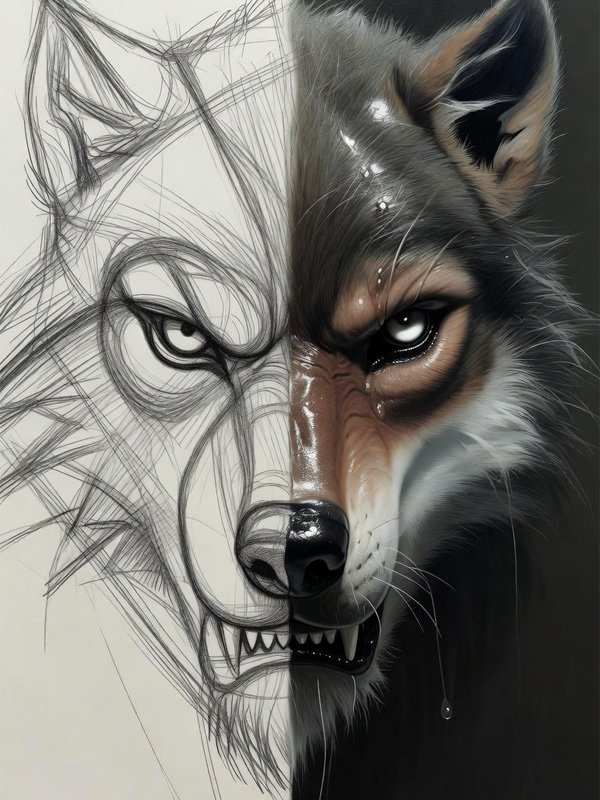
A two-dimensional sketch is the fastest way to find the character. Sketching lets you test silhouettes, proportions, and expressions in minutes. Sculpting the same ideas in clay or digital 3D takes far longer, and you will waste that time if the basic design is still unclear.
This step also matters for client communication. A simple drawing shows the client the direction before anyone spends hours on a sculpt. Changes are cheap on paper. They are expensive once you have already built forms, molds, or mechanisms.
Basic Design Tips
If you want a face that reads as threatening, use the 45 degree rule. Angle the inner brows upward at about 45 degrees. Then draw a line from each corner of the mouth toward the tip of the nose at that same angle. That combination reliably creates a look of fear and aggression that audiences recognize immediately.
It is fine to be influenced by other creature designs. Studying existing work helps you understand what already works. Copying is not the goal. Use those influences to push your own original design further, not to reproduce someone else’s creature.
AI generative tools can be useful for kicking around ideas. In this community, though, they are not considered legitimate finished art. Treat them as a reference tool at most, then do the real design work yourself.
Basic 3D Tips
When you move into 3D, work in a set order. Start with a two-dimensional profile so the silhouette is locked. Build the body with rudimentary shapes next. Then add secondary refined forms. Save tertiary textures and fine features for last. Doing these steps out of sequence usually means you will have to tear work apart later.
Asymmetry is just as important. No real living animal is perfectly symmetric. One of the best examples is the werewolf from An American Werewolf in London, designed by Rick Baker. The uneven forms make the creature feel alive instead of manufactured.
FAQ
Do I need to sketch before I start sculpting?
Yes. A 2D sketch is faster, cheaper to change, and much easier to share with a client before you commit to clay or digital sculpting.
What is the 45 degree rule for monster faces?
Angling the brows up at about 45 degrees and lining the mouth corners toward the nose at the same angle is a reliable way to create a fearful, threatening expression.
Is it okay to use other creature designs as influence?
Yes. Influence is useful. Direct copying is not. Use existing designs to inform an original creature of your own.
Should I use AI to design a monster?
AI tools can help generate ideas, but they are not considered legitimate finished art in this community. Do the actual design work yourself.
Why should I start with rudimentary shapes in 3D?
Rudimentary shapes lock in proportion and silhouette first. Adding refined forms and textures too early makes later changes slower and more expensive.
Why does asymmetry matter in monster design?
Real animals are not perfectly even. Asymmetry, like Rick Baker’s werewolf from An American Werewolf in London, makes a creature feel living instead of mechanical.
How can we help you make your animatronic robot? Contact us, we are happy to help!
2026