


2026
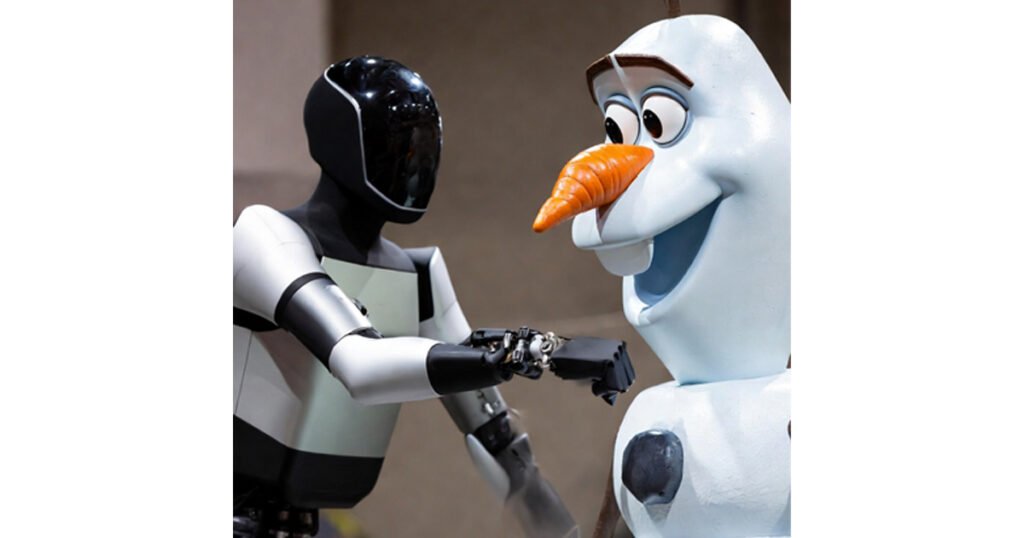
Tesla Optimus Robot vs. Disney’s Olaf Animatronic
15 April 2026
Entertainment vs Real Work
Optimus and Disney’s Olaf might both look like robots, but they are built for completely different purposes.
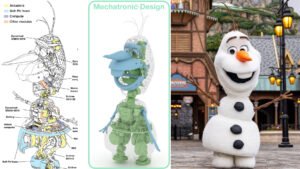
Disney’s Olaf – The Entertainment Animatronic
Disney’s Walt Disney Imagineering created Olaf as a high-end animatronic figure for theme parks. He is designed to entertain guests, repeat the same charming gestures, and stay perfectly in character every single time. While his internal engineering is incredible, he mostly follows a fixed show script.
Tesla’s Optimus – The Practical Humanoid Robot
Tesla’s Optimus is a true humanoid robot built for real-world work. It uses cameras, AI, and neural networks to see, think, and make decisions in real time. Unlike Olaf, Optimus can learn new skills, adapt to changing environments, and handle unpredictable situations.
The Key Difference: Autonomy
Disney’s Olaf is a sophisticated animatronic character — brilliant at performing the same show repeatedly. Optimus is an autonomous robot that can improvise and solve new problems on the fly. One is built for entertainment. The other is built for work.
Right now Optimus is still learning and improving rapidly. He moves slower than a human and sometimes needs guidance, but the gap between entertainment animatronics and useful humanoid robots is closing fast.
Ready to start your next project? Feel free to contact us directly.
FAQ
Is Disney’s Olaf an animatronic or a robot?
Olaf is a sophisticated animatronic figure. He uses advanced robotics but is primarily pre-programmed for repeated performances.
Is Tesla Optimus a real robot?
Yes. Optimus is a genuine AI-powered humanoid robot capable of real-time decision making and learning new tasks.
What is the main difference between them?
The biggest difference is autonomy. Olaf performs fixed shows. Optimus can adapt, learn, and operate in unpredictable environments.
Could Optimus ever appear in Disney parks?
It’s possible in the future. Imagine Optimus dressed as a Wookiee or other characters walking around the parks — the perfect mix of Tesla engineering and Disney storytelling.
One Reply to “Tesla Optimus Robot vs. Disney’s Olaf Animatronic”